
This post contains affiliate links. If you make a purchase, I may earn a commission.
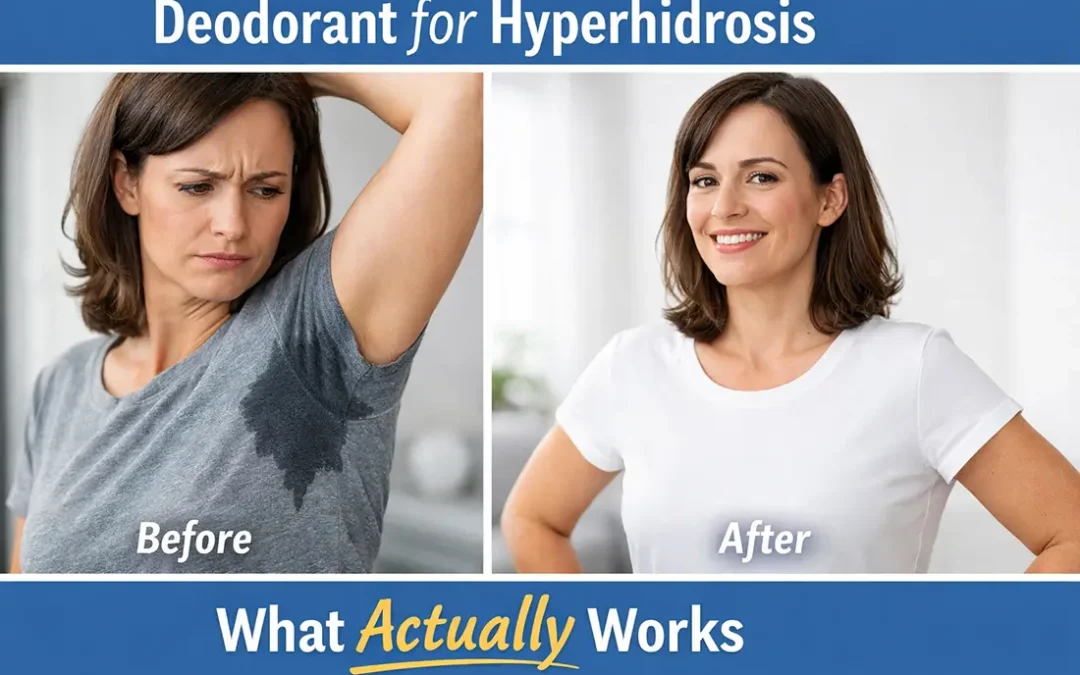
If you’ve ever put on deodorant in the morning… only to sweat straight through it an hour later, you already know the problem:
Most deodorants don’t work for hyperhidrosis.
They’re not designed to.
And that’s where the frustration comes in. You try product after product, thinking you just haven’t found the “right one” yet—when in reality, you’re often using the wrong type of product entirely.
The good news?
There are deodorants and antiperspirants that actually work for excessive sweating—you just need to know what to look for and how to use them correctly.
In this guide, I’ll break down:
- The best deodorants for hyperhidrosis
- What actually works (and why)
- How to use them properly so you get real results
Best Deodorants for Hyperhidrosis
Without further ado, here are my top deodorant choices. These aren’t just popular options—they’re products that are actually known to help with profuse sweating when used correctly.
Best Overall: A Balanced, Reliable Option
Degree Clinical Strength Antiperspirant Deodorant
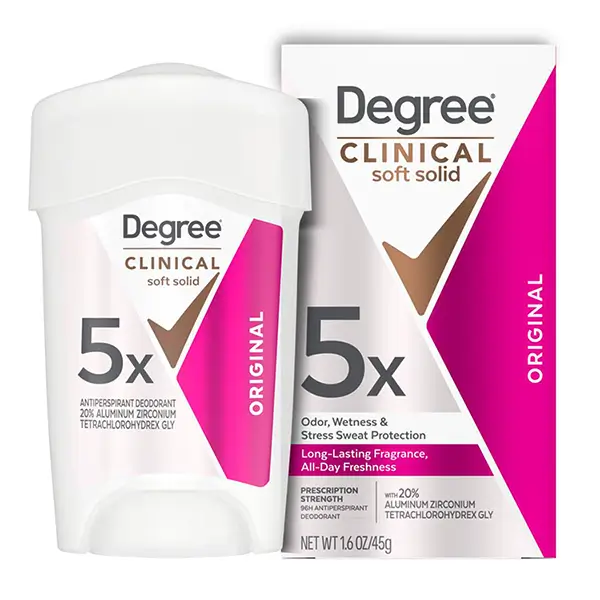
Credit: Amazon
This type of product hits the sweet spot:
- Strong enough to reduce sweat
- Not overly harsh on skin
Best for:
Daily use if you deal with consistent underarm sweating
Pros:
- Noticeable sweat reduction within a few days
- Easy to incorporate into routine
- Widely available
Cons:
- May need consistent use to maintain results and may not be enough for people with severe sweating.
Real-world take:
This is a great all around option to start with. It’s strong enough to make a difference, but not so aggressive that it causes immediate irritation.
Strongest Option
Certain Dri Prescription Strength Clinical Antiperspirant
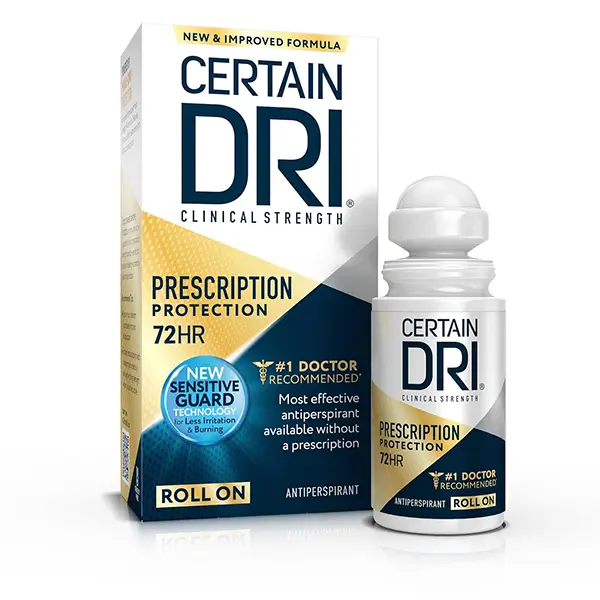
Credit: Amazon
If nothing else has worked, this is where you go next.
Best for:
Moderate to severe hyperhidrosis
Pros:
- Maximum sweat protection
- Often works when everything else fails
- No prescription required
Cons:
- Higher chance of irritation
- Requires a more rigid application schedule
Real-world take:
This is the “finally something works” option for a lot of people—but only if you use it correctly (night application is key). This is one that I keep in my rotation.
Best for Sensitive Skin
Clinique Antiperspirant-Deodorant Roll-On
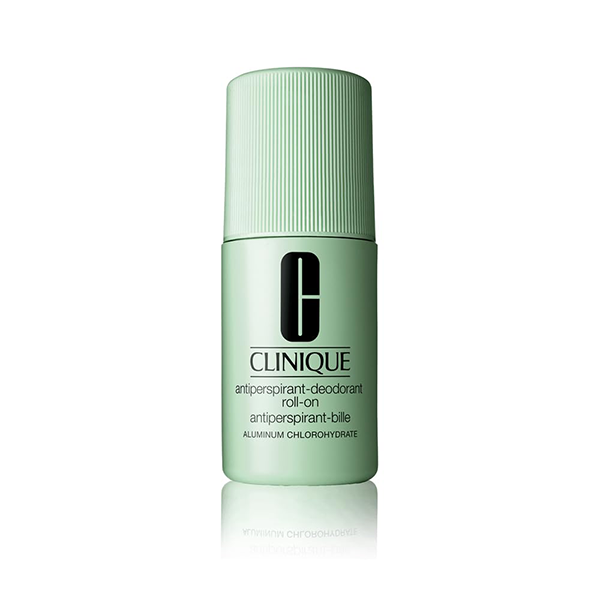
Credit: Amazon
Not everyone can tolerate strong formulas—and that’s a real issue.
Best for:
People who experience irritation from stronger antiperspirants
Pros:
- Gentler on skin
- Still provides moderate sweat control
Cons:
- Not strong enough for severe sweating
Real-world take:
If you’ve quit products because of itching or burning, this is your lane. It may not eliminate sweat completely, but it can make things manageable.
Best for Daily Maintenance
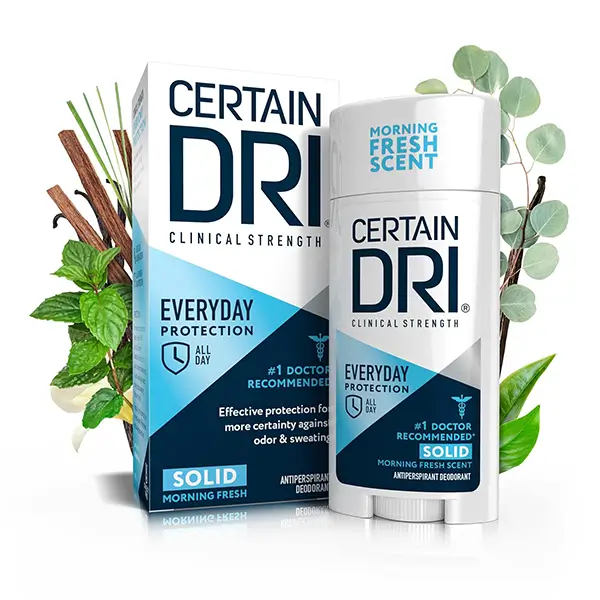
Certain Dri Everyday Strength Clinical Antiperspirant
Credit: Amazon
Once you’ve got sweating under control, you may not need the strongest option every day.
Best for:
Maintaining results after initial control
Pros:
- Comfortable for daily wear
- Less irritation risk
- Reinforces existing protection
Cons:
- Not enough on its own for severe cases
Real-world take:
Some people rotate—strong product at night, lighter one during the day. This has been my approach and I find it to be very effective!
Best for Scent Options
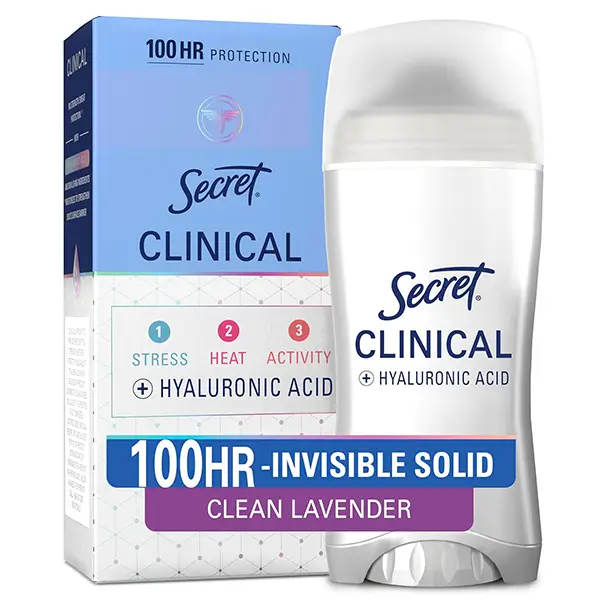
Secret Clinical Strength Antiperspirant Deodorant
Credit: Amazon
Stops sweat and prevents odor.
Best for:
People who need odor control or want scent options
Pros:
- Comes in a variety of fresh scent options
- Also provides good sweat control
Cons:
- Not for those who prefer neutral or no scent
Real-world take:
If you want a deodorant that combines solid sweat protection with multiple scent choices, this one provides the best combo.
Why Regular Deodorant Doesn’t Work for Hyperhidrosis
Let’s clear this up first, because it’s where most people get stuck.
Deodorant and antiperspirant are not the same thing.
- Deodorant → controls odor
- Antiperspirant → reduces sweat
If you have hyperhidrosis (excessive sweating), odor isn’t the main issue—it’s the volume of sweat itself.
So if you’re using a standard deodorant for profuse sweating, it might help with smell but it does nothing to stop the sweat.
That’s why you still end up with:
- Sweat stains
- Damp underarms
- That “nothing is working” feeling
👉 The key shift:
You need a product that actually blocks sweat, not just covers it up.
What to Look for in a Deodorant for Hyperhidrosis
Not all “strong” deodorants are created equal. If you want something that works, here’s what actually matters.
Active Ingredients That Reduce Sweat
This is the most important factor.
Look for:
- Aluminum chloride (strongest, most effective)
- Aluminum zirconium (slightly gentler, still effective)
These ingredients work by temporarily blocking sweat glands.
If a product doesn’t contain one of these?
It’s not going to help much with hyperhidrosis.
Clinical Strength vs Regular Strength
You’ll usually see products labeled as:
- Regular
- Clinical strength
Here’s how to think about it:
- Mild to moderate sweating → regular strength may work
- Consistent or heavy sweating → go clinical strength
If you’ve already tried “normal” deodorants and they failed, you likely need something stronger. This is where the active ingredient type and concentration become important.
For a more detailed breakdown, see my post on the differences in antiperspirant strength.
Skin Sensitivity (This Matters More Than You Think)
Keep in mind that stronger products can sometimes cause:
- Irritation
- Itching
- Dryness
That doesn’t mean they won’t work—it just means you need to:
- Apply correctly (I’ll cover that soon)
- Possibly start slow (every other night, for example)
Application Type
This mostly comes down to preference, but it still matters:
- Roll-ons → often stronger, more targeted
- Sticks → easier for daily use, but can leave a residue
- Wipes → convenient, but product also gets on hands when applying
There’s no “best” format—just what you’ll actually use consistently. I prefer to use roll-ons for nightly use and sticks during the day.
How to Use Deodorant for Hyperhidrosis (Many People Do This Wrong)
This is the part most people skip—and it’s often the reason products “don’t work.”
Apply at Night - This is Critical
Your sweat glands are less active at night.
That means:
- The product has time to absorb
- It can actually block sweat effectively
If you only apply in the morning, you’re fighting an uphill battle.
Apply to Completely Dry Skin
Even a little moisture can:
- Reduce effectiveness
- Increase irritation
If needed, wait a few minutes after showering before applying. You can also use a hair dryer (be sure to set it to "cool") or a small fan to make sure your skin is completely dry.
Don’t Overapply
More product does not mean better results.
A thin, even layer is enough.
Overdoing it can lead to irritation without improving performance. This also leads people to give up on an effective product because they think it's too harsh.
Give It Time to Work
This isn’t instant.
Most products need:
- 3–7 days of consistent use
After that, you can often reduce frequency.
Check out my full guide on how to apply antiperspirant for more tips.

Common Mistakes That Make Sweating Worse
Even with the right product, these mistakes can hold you back.
Using Deodorant Only
If it doesn’t reduce sweat, it won’t solve the problem. Deodorant will help minimize odor, but needs to be combined with an antiperspirant to effectively reduce sweat.
Applying Only in the Morning
You miss the most effective window (nighttime). Not surprisingly, your sweat glands are most active when you are most active. If you only apply when you wake up, the product is more likely to wear off from sweat and clothing.
Switching Too Quickly
If you don’t give a product time to work, you’ll never know if it’s effective. Staying consistent with applications is key.
Over-Irritating Your Skin
Using too much or applying to damp skin can make things worse. The stronger antiperspirant options have higher concentrations of aluminum, which can irritate skin if not used properly. It's very important to follow the instructions on the product label.
When Deodorant Isn’t Enough
Sometimes, even strong antiperspirants aren’t enough—and that’s okay. There are many other great solutions out there.
Other options include:
- Prescription-strength treatments
- Clinical solutions (like iontophoresis or Botox injections)
- Lifestyle adjustments (fabric choices, stress management)
You don’t need to jump to these right away—but it helps to know they exist.
FAQs
What is the best deodorant for hyperhidrosis?
The best option is usually a clinical-strength antiperspirant with aluminum-based ingredients. The exact product depends on your skin sensitivity and how severe your sweating is.
Is deodorant or antiperspirant better for excessive sweating?
Antiperspirant—every time.
Deodorant only helps with odor, not sweat.
How long does it take to work?
Most people see results within 3–7 days of consistent nighttime use.
Can you use it every day?
Yes. Many people start with daily use, then reduce frequency once sweating is under control. It may require some trial and error to really dial it in and avoid potential irritation.
Final Thoughts
Hyperhidrosis can feel frustrating, especially when nothing seems to work at first.
But in most cases, the issue isn’t that nothing works—it’s that the wrong products (or wrong methods) are being used.
Once you switch to:
- The right type of product
- The right strength
- The right application method
You can usually get sweating to a much more manageable level.
Start simple. Be consistent. And give it a few days to actually work.
That’s where the real difference happens.
Also struggle with sweaty hands or feet? Check out my picks for the best antiperspirant options for those areas!