
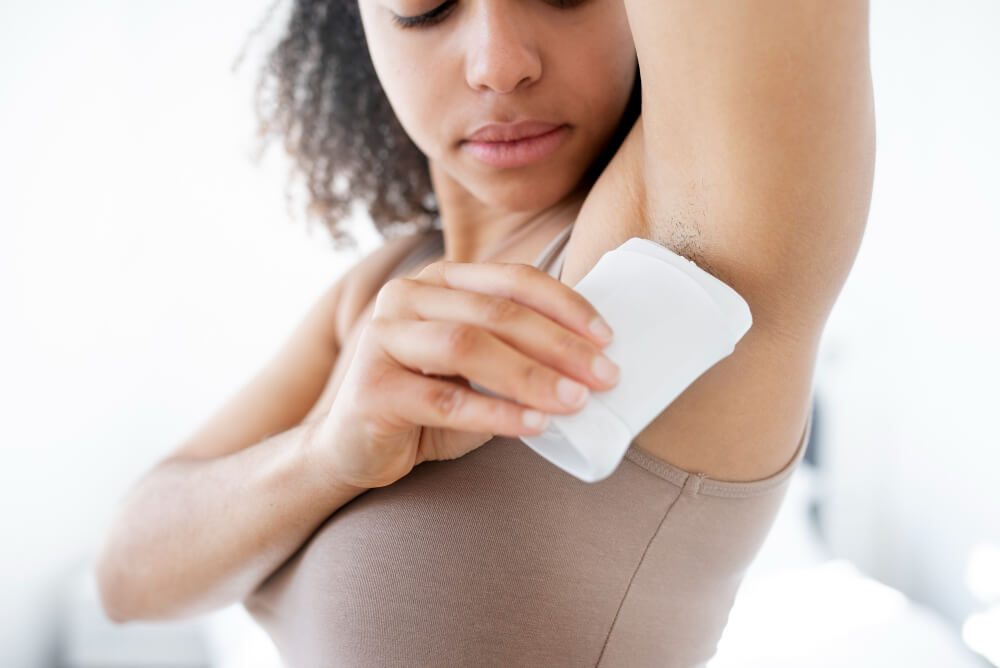
Excessive sweating — clinically known as hyperhidrosis — affects millions of people and can significantly impact daily comfort, confidence, and quality of life. While there are many medical and lifestyle strategies for managing hyperhidrosis, antiperspirants remain the first line of defense for many individuals (Mayo Clinic, 2024). In this guide, we’ll walk through how antiperspirants work, best practices for using them, and tips to improve results when sweating is more than “normal.”
What Antiperspirants Do (and What They Don't)
Antiperspirants are different from deodorants. While deodorants primarily mask or reduce odor, antiperspirants actually reduce sweating by blocking sweat ducts. The active ingredients — usually aluminum salts like aluminum chlorohydrate or aluminum zirconium compounds — form temporary plugs in the sweat ducts that slow the flow of sweat to the skin surface.
This confusion often comes from not understanding how deodorant and antiperspirant work differently, especially when treating hyperhidrosis.
Antiperspirants are used on areas like the underarms, palms, feet, or other sweat-prone regions, and are often considered the least invasive first step before more aggressive treatments like prescription medications or procedures.
Step-by-Step Guide to Applying Antiperspirant
Whether you’re using an over-the-counter (OTC) clinical strength product or a prescription antiperspirant, here’s how to maximize effectiveness:
1. Choose the Right Product
Look for products labeled as antiperspirants or “clinical strength.” These contain higher levels of active aluminum compounds compared to deodorants and can offer more sweat control — especially helpful for hyperhidrosis.
You should also consider what area of the body you are treating. For example, someone looking for an antiperspirant for groin sweating may choose a different product type or strength than someone looking to treat sweaty feet.
Some antiperspirants are available by prescription (e.g., high-concentration aluminum chloride products like Drysol or Xerac AC), which may be recommended if OTC options aren’t strong enough.
2. Apply at the Right Time: Bedtime
The single most important tip for effective antiperspirant use is application at night before bed.
- Your body’s sweat glands are less active at night, so the aluminum compounds have a better chance to penetrate and block sweat ducts.
- Some dermatologists and dermatologic sources specifically recommend bedtime application for individuals with excessive sweating (AAD, 2025).
A bedtime application also ensures the antiperspirant has a solid chunk of time to work without any potential interruptions that might occur during daily activities.
3. Apply Only to Clean, Dry Skin
Antiperspirants work best when applied to skin that is totally dry. Any moisture (from sweat, water, or lotions) can dilute the active ingredients and increase irritation. With that being said, it's a good idea to wash the area with soap prior to application. Dirt and oils on the skin can reduce the effectiveness, as well.
I know staying dry can be challenging (we have hyperhidrosis afterall), but try to relax and use the tips below.
- Use a towel to thoroughly dry the area before application.
- You can also try using a cool-setting hairdryer to help ensure dryness before applying antiperspirant.
4. Use a Thin, Even Layer
Contrary to what some might think, more is not better. Apply a light, even layer of the antiperspirant. Over-application won’t plug more sweat ducts and may increase the chance of irritation.
If you’re using a prescription product with higher aluminum content, careful application as directed is essential to balancing effectiveness with skin comfort.
5. Avoid Sensitive, Broken, or Just-Shaved Skin
Applying antiperspirant to freshly shaved or irritated skin can cause stinging and irritation. If you’ve just shaved your underarms or other treated area, wait 24–48 hours before applying any strong antiperspirant.
This is very important! Not only will it be uncomfortable, but you will likely need to take a break from further applications, which may interrupt your application schedule.
6. Wash Off in the Morning
If you’re using a prescription antiperspirant overnight, wash it off in the morning to reduce irritation. The active ingredients have already done their work while you slept, and residue left throughout the day can irritate skin.
You can then apply a standard deodorant after washing for additional protection and odor reduction.
👉 If you’re following the correct steps but still struggling, there are several reasons why antiperspirants don’t work for some people beyond application technique.
Get the free Sweat Control Reset
A simple, easy to follow daily routine to help manage hyperhidrosis. No gimmicks or huge time investment. Just practical steps that are proven to be effective.
Common Application Mistakes
Often times when antiperspirants are not effective, it is due to incorrect application. Avoid these common mistakes to ensure you see the full benefit.
❌ Applying right after showering while skin is still damp.
❌ Using too much product thinking more = better.
❌ Applying immediately post-shave.
❌ An inconsistent application routine.
Additional Tips For Better Sweat Control
- Consistency matters: Regular, nightly use for the first week or two can help build and maintain plugged ducts. After sweating improves, you may be able to scale back to fewer nights per week.
- Combine strategies: Some people find better results by combining antiperspirants with other treatments, like absorbent powders, moisture-wicking fabrics, or advanced clinical therapies as recommended by a clinician.
- Patch test if you have sensitive skin: If you notice irritation or redness, try fragrance-free products and perform a patch test before applying to larger areas.
👉 Even when antiperspirant is applied correctly, some people still experience visible pit stains — in those cases, pairing it with undershirts designed to stop underarm sweat can provide extra protection.
When to Seek Professional Help
Antiperspirants help many people with mild to moderate excessive sweating, but if your hyperhidrosis significantly interferes with daily life — for example, soaking through clothes or causing embarrassment and anxiety — it’s worth talking to a healthcare provider about prescription options or other treatments like topical medications, oral medications, Botox, or device-based therapies.
Final Thoughts
Antiperspirants are a cornerstone of hyperhidrosis management — but success depends on using them the right way. With the right product, proper timing, and careful application, you can significantly reduce sweating and regain control over your comfort and confidence. Remember, consistency is key!
If you struggle with excessive underarm sweating be sure to check out my list of the best deodorant for excessive sweating!