
If you’ve been living with hyperhidrosis for any length of time, you already know there’s no shortage of “natural cures” floating around the internet. Apple cider vinegar. Sage tea. Baking soda. Coconut oil. Lemon juice. Essential oils. The list goes on.
But which—if any—actually help reduce excessive sweating?
This guide breaks down the most popular natural remedies, what science says about them, what real people experience, and how to know whether these options are worth trying before exploring stronger treatments.
What Is Hyperhidrosis, and Why Does It Happen?
Hyperhidrosis is a condition where your sweat glands go into overdrive—often producing far more sweat than your body needs for temperature regulation. It usually falls into one of two categories:
-
Primary hyperhidrosis: sweating occurs without an underlying medical cause; often localized (hands, feet, underarms).
-
Secondary hyperhidrosis: sweating is caused by another condition or medication; often affects the entire body.
While the triggers vary, one thing is universal: hyperhidrosis isn’t caused by poor hygiene. That means no “natural remedy” can fix the root cause—but some may help reduce symptoms for certain people.
❓ If you're uncertain whether you have hyperhidrosis or just a normal level of sweating, take a look at my article on how to determine if you have hyperhidrosis.
Why People Turn to Natural Remedies First
Before trying prescription antiperspirants, clinical procedures, or oral medications, many people look for gentler, more accessible options. Common reasons include:
-
Wanting something non-toxic or “clean”
-
Avoiding irritation from aluminum-based antiperspirants
-
Being hesitant about medical treatments
-
Wanting inexpensive, at-home options
-
Hoping to avoid side effects
Trying natural approaches makes sense—as long as expectations are realistic. Some can help in very specific situations. Others are mostly hype. The key is knowing which is which.
📌 Many people wonder if hyperhidrosis will get better on its own. I provide an in-depth answer to that question in my post Does Hyperhidrosis Go Away With Age?
The Most Common Natural Remedies for Hyperhidrosis (and Whether They Work)
Here’s a clear breakdown of the most popular natural remedies and the evidence (or lack of it) behind each one.
1. Apple Cider Vinegar
How it’s supposed to work:
Apple cider vinegar is thought to balance pH on the skin and temporarily reduce bacteria that can make sweat smell stronger.
Evidence:
There’s no clinical research showing ACV reduces sweating. It may help with odor, but not the sweat itself.
Real-world results:
-
Some people report slightly drier underarms—usually from the astringent effect.
-
Many experience skin irritation, especially in sensitive areas.
Verdict:
Can help with odor, not with hyperhidrosis.
2. Witch Hazel
How it’s supposed to work:
Witch hazel is a natural astringent, so it can tighten the skin and reduce moisture on the surface.
Evidence:
Witch hazel can reduce minor moisture. But again, no evidence it affects sweat glands.
Real-world results:
-
Works decently for mild facial shine or sweat.
-
Too weak for true hyperhidrosis.
Verdict:
Worth trying only for very mild cases.
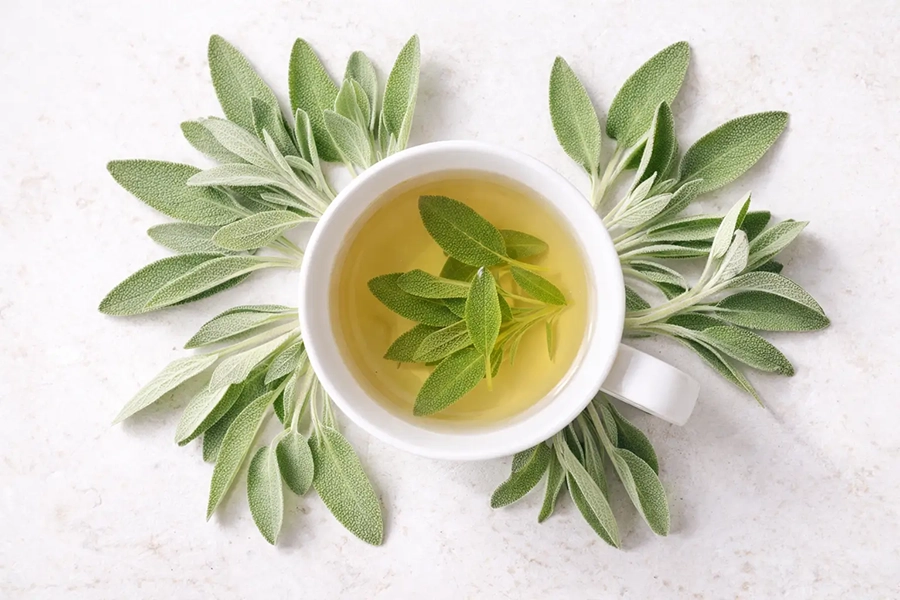
3. Sage (Tea or Extract)
How it’s supposed to work:
Sage contains compounds that may act as natural anticholinergics—similar to how oral hyperhidrosis medications work.
Evidence:
A handful of small studies have shown mild sweat reduction, mostly with oral sage extract.
Real-world results:
-
Some people see a 10–20% decrease in sweating.
-
Works better for whole-body sweating than localized sweating.
Verdict:
One of the few natural options with some promise, but results are modest.
4. Baking Soda
How it’s supposed to work:
Used as a DIY deodorant to absorb moisture and reduce odor.
Evidence:
Zero clinical evidence—only anecdotal.
Real-world results:
-
Helps with odor for some.
-
High irritation risk, especially underarms.
Verdict:
Not a promising option. Skip it if you have sensitive skin.
5. Coconut Oil
How it’s supposed to work:
Used as a natural deodorant base because of antimicrobial properties.
Evidence:
Helps with odor—not sweat.
Real-world results:
-
Smooth feel; may reduce smell.
-
Can feel greasy and clog pores.
Verdict:
Not a sweat-reducer at all.
6. Lemon Juice
How it’s supposed to work:
Acidity supposedly shrinks pores and reduces wetness.
Evidence:
None—and lemon juice can burn skin with sun exposure.
Real-world results:
-
Works like a temporary astringent.
-
High irritation risk.
Verdict:
Not recommended.
7. Essential Oils (Tea Tree, Lavender, etc.)
How they’re supposed to work:
Marketed as antibacterial and calming.
Evidence:
No evidence they reduce sweating.
Real-world results:
-
May reduce odor slightly.
-
Can cause allergic reactions.
Verdict:
Mostly hype.
8. Dietary Adjustments
How it’s supposed to work:
Certain foods can increase sweating (spicy foods, caffeine), while others calm the nervous system.
Evidence:
Diet influences triggers—but it doesn’t reduce baseline hyperhidrosis.
Real-world results:
-
Helpful for identifying personal triggers.
-
Won’t “cure” hyperhidrosis.
Verdict:
Useful for management, not treatment.
Do Any Natural Remedies Actually Work?
Here’s the honest breakdown:
Natural remedies can help with:
-
Mild odor
-
Surface moisture
-
Making skin feel drier
-
Mild general sweating
-
Trigger avoidance (food, stress)
Natural remedies do NOT help with:
-
Primary hyperhidrosis
-
Overactive sweat glands
-
Palm or sole sweating
-
Dripping underarms
The strongest contender is sage, but even that offers mild relief—not a solution.

Why Natural Remedies Often Fail for Hyperhidrosis
Hyperhidrosis isn’t caused by bacteria, pH imbalance, “toxins,” or clogged pores.
The real cause is overactive nerve signals to the sweat glands.
No home remedy can change that.
That’s why people with true hyperhidrosis usually see better results with:
-
Clinical antiperspirants
-
Iontophoresis
-
Anticholinergic medications
-
Botox
-
Microwave thermolysis (miraDry)
-
Controlled routines that combine multiple methods
Natural remedies just don’t address the root issue.
When Natural Remedies May Be Worth Trying
Natural options can be worthwhile if:
-
Your sweating is mild
-
You want a low-cost starting point
-
You have sensitive skin and can’t tolerate strong products
- Your primary focus is odor control
They’re not useless—just limited.
When They’re NOT Worth Your Time
It’s better to skip natural remedies if:
-
Your sweat soaks through shirts
-
You have palm or foot hyperhidrosis
-
Sweat is affecting work, confidence, or social life
-
You’re looking for more than simple odor control
In these cases, natural solutions won’t move the needle. You'll get more relief from proven treatments or a structured sweat management routine.
💡 If you're interested in proven solutions from trusted experience, check out these articles where I review some of the best treatment options:
A More Effective Alternative: A Consistent Sweat-Control Routine
Natural remedies don’t work well on their own—but a structured routine does.
Consistency is often the missing piece.
A good routine typically includes:
-
A proven clinical antiperspirant
-
Clear application timing (night vs. morning)
-
Protective skincare steps
-
Sweat-proof clothing adjustments
-
Lifestyle triggers tracking
-
Regular maintenance
If you want a reliable plan that will get results, try my Sweat Control Reset
A simple, easy to follow daily routine to help manage hyperhidrosis. No gimmicks or huge time investment. Just practical steps that are proven to be effective.
Are Natural Remedies Safer?
“Natural” doesn’t automatically mean safe.
Risks include:
-
Chemical burns from lemon juice
-
Rashes from baking soda
-
Contact dermatitis from essential oils
-
Staining from DIY deodorants
-
Interactions with oral sage if you take certain meds
If you try natural options, patch-test everything first.
Natural Remedies vs. Medical Treatments: What’s the Better Play?
It depends on your severity.
For mild sweating: Lifestyle adjustments + a basic routine can help.
For moderate sweating: You'll need something stronger - usually clinical antiperspirants.
For severe sweating: Iontophoresis, Botox, and oral medications are most reliable.
Natural remedies may complement real treatments, but they won't replace them entirely.
So… Are Natural Remedies Effective?
Short answer:
Not really—at least not for true hyperhidrosis.
Longer answer:
Some natural remedies can help with odor or surface moisture, and sage may give modest improvement. But none address the neurological cause of hyperhidrosis.
If you want meaningful sweat reduction, you’ll get far more results from:
-
A structured antiperspirant routine
-
Iontophoresis
-
Botox - More information can be found in my post on using Botox for hyperhidrosis.
-
Lifestyle triggers tracking
-
Sweat-proof clothing
-
A consistent system you follow every week

FAQ
Do any natural remedies actually stop sweating?
No. The only natural option with small benefits is oral sage extract, but results are minor.
Can diet help with hyperhidrosis?
Diet can reduce triggers (like caffeine or hot foods) but cannot stop the condition.
Are natural deodorants good for hyperhidrosis?
They help with odor—not sweat.
What should I try instead of natural remedies?
A structured sweat-control routine with proven products and techniques.
My Take
Natural remedies are popular because they feel gentle, inexpensive, and hopeful. But for most people with hyperhidrosis, they simply don’t go deep enough to make a noticeable difference.
You’re not failing if natural treatments didn’t work for you—hyperhidrosis just requires a more strategic approach.
If you're ready for something that does move the needle, a step-by-step routine you can consistently follow will outperform any DIY remedy.
Get the Sweat Control Reset
It's a great starting point and absolutely free to download. A proven plan that I developed from my own lifelong experiences living with hyperhidrosis.