
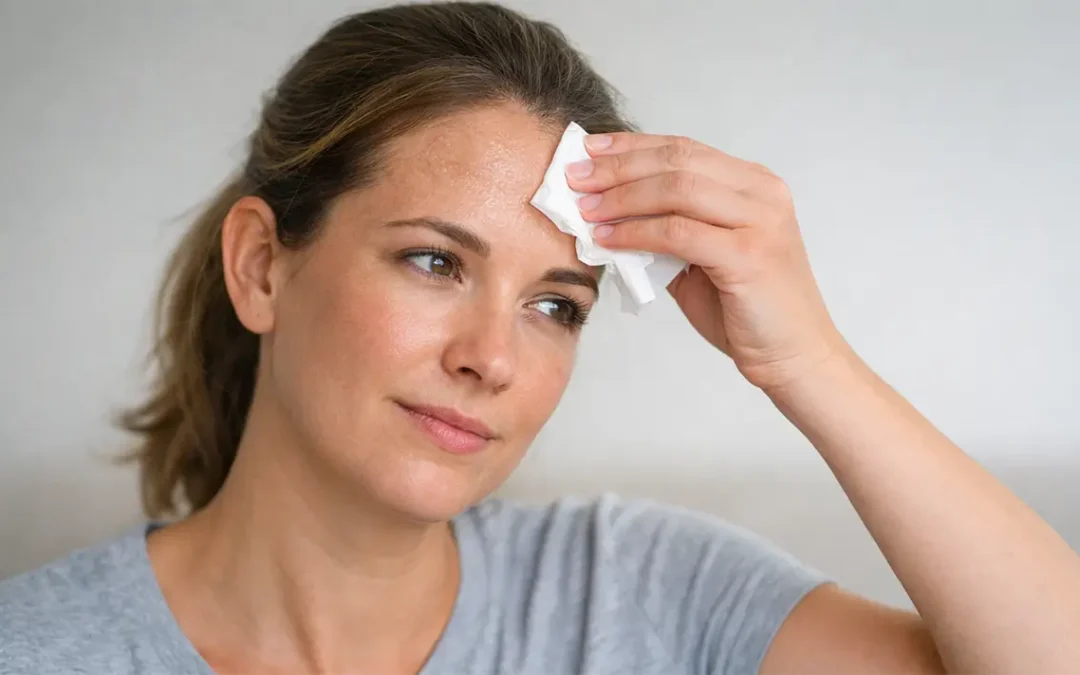
If you feel like your face sweats more than everyone else’s—whether it’s your forehead, upper lip, or entire face—you’re not imagining it. Excessive facial sweating is surprisingly common, and for many people, it goes far beyond what feels “normal.”
You might notice it:
-
When you’re anxious or stressed
-
In social situations
-
Even when you’re not hot
-
Or seemingly for no reason at all
If you’ve ever wondered “Why do I sweat so much on my face?” this article will walk you through the most common causes, how to tell what’s normal versus excessive, and what you can do to reduce it.
Why Does My Face Sweat So Much?
Sweating is your body’s natural way of cooling itself, but facial sweating can feel more noticeable—and more uncomfortable—because it’s visible and hard to hide.
Your face contains a high concentration of eccrine sweat glands, which are triggered by:
-
Heat
-
Physical activity
-
Emotional stress
-
Hormonal changes
-
Nervous system signals
For some people, these sweat glands are simply overactive, causing the face to sweat more than necessary.
This can lead to:
-
A constantly sweaty forehead
-
Moisture on the upper lip or nose
-
Facial sweating even at rest
-
Feeling overheated when others are comfortable
If you’re looking for practical ways to control symptoms, I’ve put together a detailed comparison of the best antiperspirants for facial sweating, including face wipes and moisture-blocking options that are safe to use on facial skin.
Common Causes of Excessive Facial Sweating
1. Heat and Environmental Triggers
Warm temperatures, humidity, and poor airflow can easily trigger face sweating. Even mild heat can cause excessive facial sweating in people who are more sensitive.
Common scenarios include:
-
Sitting in a warm office
-
Being outside on a mild day
-
Wearing hats or helmets
-
Poor ventilation indoors
If your face sweats quickly compared to the rest of your body, this sensitivity may be amplified.
2. Stress and Anxiety Sweating on the Face
Stress-related sweating is one of the most common causes of facial sweating.
When you’re anxious, your body activates the sympathetic nervous system, which stimulates sweat glands—especially on the face, palms, and feet.
This often shows up as:
-
A sweaty forehead during conversations
-
Upper lip sweating in social situations
-
Facial sweating before meetings or presentations
-
Sweating even when you’re cold or inactive
This type of sweating can feel unpredictable and embarrassing, which often increases anxiety—and creates a frustrating cycle.
For more detail on this cycle, check out my article: Does Anxiety Cause Excessive Sweating
3. Hormonal Changes
Hormones play a major role in sweat production.
Facial sweating may increase during:
-
Puberty
-
Pregnancy
-
Menopause
-
Thyroid imbalances
Hormonal sweating often feels sudden and intense and may occur without obvious triggers like heat or exertion.
4. Diet and Stimulants
Certain foods and drinks can trigger facial sweating by activating nerves or increasing body temperature.
Common culprits include:
-
Spicy foods
-
Hot beverages
-
Caffeine
-
Alcohol
Some people experience gustatory sweating, where sweating occurs shortly after eating—often affecting the face and scalp.
5. Facial Hyperhidrosis
If your face sweats excessively, frequently, and without clear triggers, you may be dealing with facial hyperhidrosis.
Facial hyperhidrosis is a form of excessive sweating that:
-
Occurs beyond what’s needed for temperature control
-
Can happen at rest
-
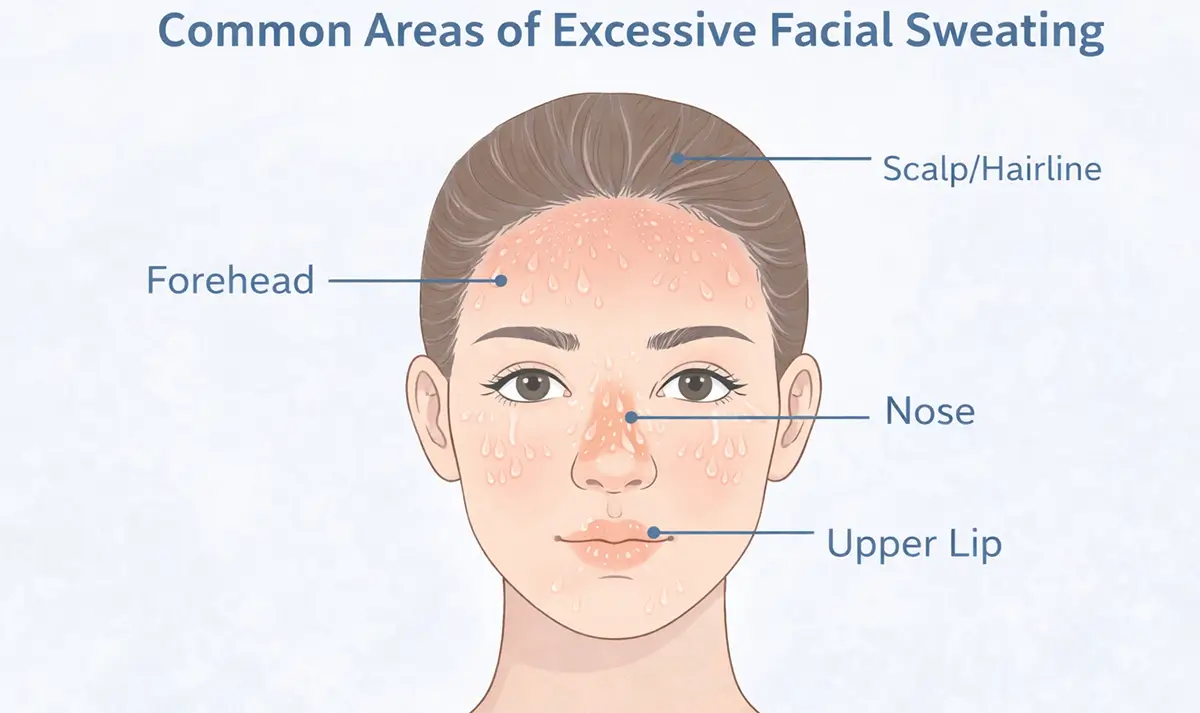
Often affects the forehead, scalp, nose, and upper lip
-
Interferes with daily life or confidence
This condition is more common than many people realize, but it’s often underdiagnosed.
Is Facial Sweating Normal or Excessive?
Some facial sweating is completely normal—especially during heat, exercise, or stressful moments. But there are signs that suggest sweating may be excessive.
Facial Sweating May Be Excessive If:
-
Your face sweats while others around you are dry
-
It happens even when you’re not hot
-
Sweat drips or beads frequently
-
It affects your confidence or social interactions
-
You plan your day around managing sweat
Because facial sweating can persist well into adulthood, many people start asking whether hyperhidrosis improves with age or if it’s something they’ll need to manage long-term.
If this sounds familiar, your facial sweating may be more than situational.
Is Facial Sweating a Medical Condition?
In many cases, excessive facial sweating is linked to primary hyperhidrosis, a condition involving overactive sweat glands without an underlying medical cause. Hyperhidrosis can affect different parts of the body, sometimes even causing symptoms that seem contradictory—like cold and sweating feet.
However, facial sweating can sometimes be secondary, meaning it’s caused by another condition, such as:
-
Thyroid disorders
-
Certain medications
-
Infections
-
Neurological conditions
If your facial sweating started suddenly, worsened rapidly, or is accompanied by other symptoms (like weight changes, fatigue, or night sweats), it’s worth discussing with a healthcare professional.
Why Does My Forehead or Upper Lip Sweat So Much?
Facial sweating often isn’t evenly distributed.
Sweaty Forehead
The forehead contains many active sweat glands and responds strongly to stress and heat. It’s one of the most common areas for facial sweating.
Sweaty Upper Lip
Upper lip sweating is often stress-related and can feel especially noticeable in social situations. This area reacts quickly to emotional triggers.
Sweaty Nose or Face at Rest
Sweating in these areas while inactive or cool is more commonly associated with hyperhidrosis or nervous system sensitivity.
How to Reduce Facial Sweating
While facial sweating can be stubborn, there are ways to manage and reduce it.
1. Identify and Reduce Triggers
Pay attention to patterns:
-
Does stress trigger sweating?
-
Is it worse with caffeine?
-
Does heat make it significantly worse?
Small adjustments can make a noticeable difference.
2. Use Face-Safe Antiperspirants
There are clinical-strength antiperspirants formulated specifically for facial sweating. These work by temporarily blocking sweat glands and can be very effective when used correctly. These are similar to how treatments designed for sweaty palms work.
3. Manage Stress-Induced Sweating
Because anxiety plays such a large role in facial sweating, stress management can help:
-
Deep breathing techniques
-
Cognitive behavioral strategies
-
Gradual exposure to triggering situations
Reducing stress doesn’t eliminate sweating entirely, but it can reduce intensity and frequency. While lifestyle changes can help, many people rely on targeted products for daily control. This guide to antiperspirants for face sweat breaks down which options work best and who they’re best suited for.
4. Consider Medical Treatments
For persistent or severe facial hyperhidrosis, a doctor may recommend:
-
Prescription-strength topical treatments
-
Oral medications
-
Botox injections (commonly used for forehead sweating)
- If you'd like to learn more about this treatment, check out my article on using Botox for facial sweating.
These options are typically considered when sweating significantly impacts quality of life.
👉 If you also experience excessive sweating on your head and scalp, check out this guide on using antiperspirant for head sweat.
When to See a Doctor About Facial Sweating
You should consider medical advice if:
-
Facial sweating is sudden or worsening
-
It occurs at night
-
It’s accompanied by other unexplained symptoms
-
Over-the-counter solutions haven’t helped
A healthcare provider can help rule out underlying conditions and discuss treatment options.
If you're unsure how to bring up the subject, check out the post I wrote on talking to your doctor about excessive sweating for some tips!
You’re Not Alone in This
If you’re dealing with excessive facial sweating, it’s easy to feel self-conscious or isolated—but you’re far from alone. Many people experience the same frustration, especially in social or professional settings.
The key is understanding why your face sweats so much and knowing that solutions exist. With the right approach, facial sweating can be managed—and in many cases, significantly reduced.
👉 If sweating affects other areas of your body as well, you may find my guide to moisture wicking socks for sweaty feet helpful.