
This post contains affiliate links. If you make a purchase, I may earn a commission.
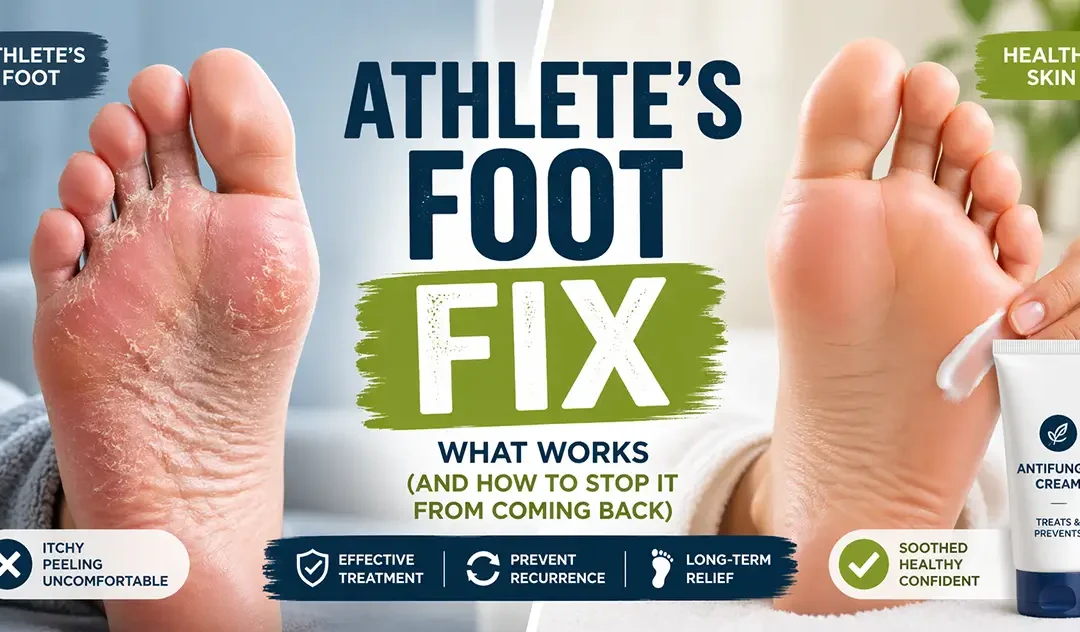
Antifungal cream is the most effective way to treat athlete’s foot—and some options work much faster than others.
The best antifungal creams for athlete’s foot include terbinafine (Lamisil AT), butenafine (Lotrimin Ultra), and tolnaftate (Tinactin). These ingredients target the fungus directly, helping relieve itching, peeling, and cracking skin—often within days when used correctly.
But here’s the part most people miss:
Even the best antifungal cream won’t keep athlete’s foot from coming back if moisture isn’t controlled.
In this guide, you’ll find:
The best antifungal creams for athlete’s foot (and who each one is best for)
- A quick comparison to help you choose fast
- How to use antifungal cream for the fastest results
- How to stop athlete’s foot from coming back—especially if you have sweaty feet
If you’re dealing with recurring infections or treatments that don’t seem to work, this will help you fix both the fungus and the root cause.
Best Antifungal Cream for Athlete’s Foot
If you want fast, effective treatment, choosing the right antifungal cream matters. The products below use clinically proven ingredients that target athlete’s foot at the source.
Quick Comparison
| Product | Active Ingredient | Best For | Treatment Speed | |
|---|---|---|---|---|
| Lamisil AT | Terbinafine | Fastest results | ~1 week | Check Price |
| Lotrimin Ultra | Butenafine | Recurring infections | ~2 weeks | View Options |
| Tinactin | Tolnaftate | Mild cases & prevention | Slower | See Details |
Best Overall
Lotrimin Ultra
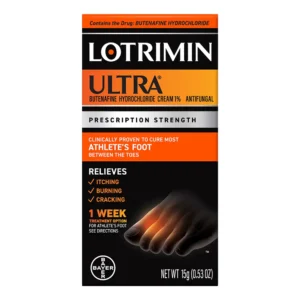
Active ingredient: Butenafine hydrochloride
Lotrimin Ultra is a strong choice if your athlete’s foot keeps coming back—especially if sweaty feet are part of the problem. It continues working even after application stops, helping reduce recurrence.
Why it works well:
- Long-lasting antifungal effect
- Effective for persistent or recurring infections
- Shorter treatment duration than many alternatives
Downside:
- Slightly more expensive
Best for:
Recurring athlete’s foot and long-term protection
Best For Quick Results
Lamisil AT
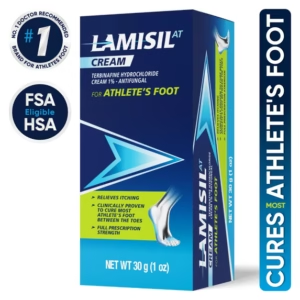
Active ingredient: Terbinafine hydrochloride
Lamisil AT is widely considered the best antifungal cream for athlete’s foot if you want the fastest results. Terbinafine works by killing the fungus directly, rather than just slowing its growth.
Why it works well:
- Often clears athlete’s foot in as little as 1 week
- Highly effective for moderate to severe infections
- Targets fungus at a deeper level
Downside:
- Can be slightly drying for sensitive skin
Best for:
Fast relief, stubborn infections, or spreading symptoms
Best for Mild Cases & Prevention
Tinactin
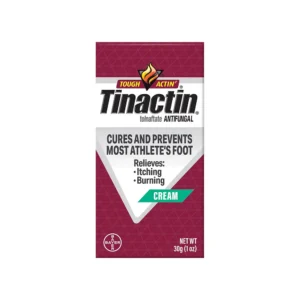
Active ingredient: Tolnaftate
Tinactin is a reliable option for early-stage athlete’s foot or ongoing prevention after stronger treatments.
Why it works well:
- Affordable and widely available
- Gentle on sensitive skin
- Helps prevent reinfection
Downside:
- Slower acting than terbinafine or butenafine
Best for:
Mild symptoms, maintenance, and prevention
What Is Athlete’s Foot?
Athlete’s foot (tinea pedis) is a fungal infection that affects the skin of the feet, usually between the toes or on the soles. It’s caused by dermatophyte fungi that thrive in warm, moist environments.
Common symptoms include:
-
Itching or burning between the toes
-
Peeling, cracking, or flaking skin
-
Redness or inflammation
-
Foul odor
-
Blisters in more severe cases
Athlete’s foot is contagious and often spreads in communal spaces like locker rooms, gyms, pools, and shared showers — but it can also develop simply from trapped sweat in shoes.
Why Sweaty Feet Increase the Risk of Athlete’s Foot
Excessive foot sweating creates:
-
Constant moisture on the skin
-
Softened skin that’s easier for fungus to penetrate
-
Shoes that never fully dry
If you deal with hyperhidrosis of the feet, athlete’s foot isn’t just a possibility — it’s a recurring risk.
Even after successful treatment, fungus can return if moisture isn’t controlled. That’s why many people feel like antifungal creams “don’t work,” when in reality, the environment that caused the infection never changed.
Since fungus thrives in damp conditions, reducing sweat with a targeted antiperspirant for sweaty feet can help prevent reinfection.
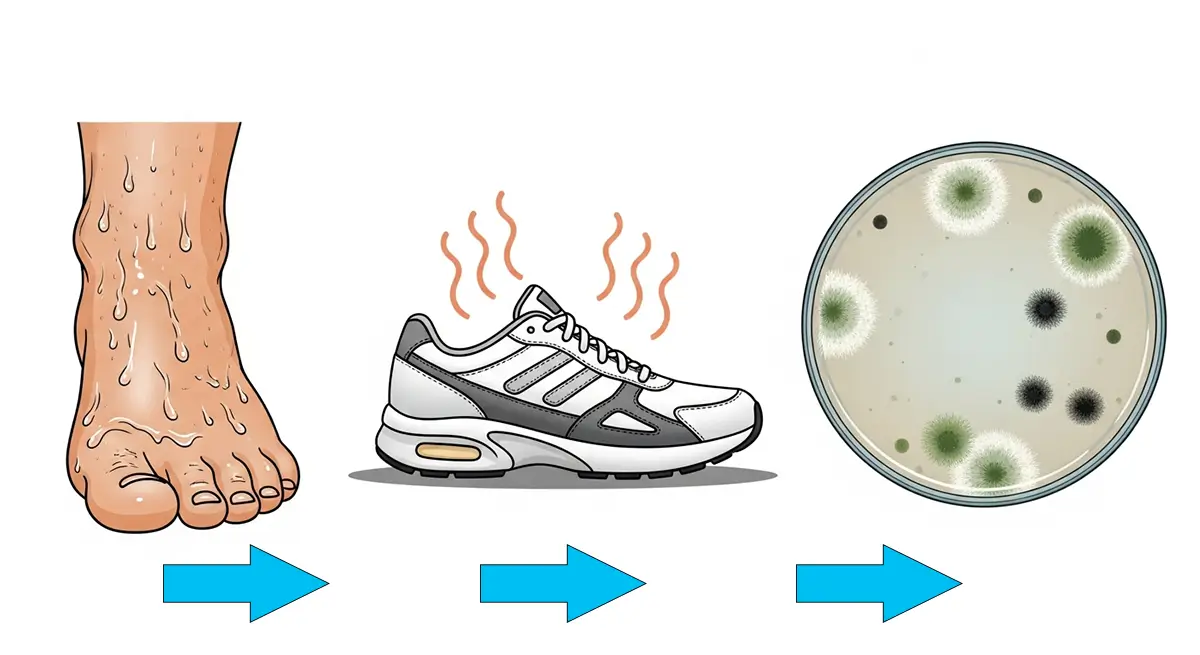
As shown in the diagram above, excess moisture creates the ideal environment for fungal growth.
When You Need an Antifungal Cream For Athlete's Foot
Not every foot issue requires antifungal medication.
You likely need antifungal cream if:
-
Skin is peeling or cracking
-
Itching persists despite keeping feet clean and dry
-
Symptoms worsen over several days
-
There’s redness between toes that doesn’t improve
You may not need antifungal cream if:
-
Feet feel damp but skin is intact
-
No itching, redness, or flaking is present
In those cases, moisture control products like foot powders, antiperspirants, or sock changes may be enough.
How Antifungal Creams Work
Antifungal cream for athlete's foot kills or inhibits fungal growth on the skin. Most over-the-counter options use one of these active ingredients:
-
Terbinafine – kills fungus quickly and deeply
-
Butenafine – similar to terbinafine with long-lasting effects
-
Tolnaftate – prevents fungal growth and reinfection
These creams must be applied consistently and for the full treatment duration, even if symptoms improve early.
Stopping treatment too soon is one of the biggest reasons athlete’s foot comes back.
How to Apply Antifungal Cream Correctly
Proper application matters just as much as product choice.
1. Wash feet thoroughly with soap and water
2. Dry completely — especially between toes
3. Apply a thin layer of cream
4. Wash hands after application
5. Continue for the full treatment period
Important:
Do not apply antifungal cream to wet or sweaty skin. If your feet sweat heavily, allow time for them to cool and dry first.
How to Prevent Athlete’s Foot from Coming Back
Control Foot Sweat
-
Use high quality socks. More specifically, moisture-wicking socks help pull moisture away from your skin so it can evaporate more quickly.
-
Apply foot powder daily. A good powder for sweaty feet can make a big difference. Some powders contain antifungal ingredients that further help the situation.
-
Rotate shoes to allow drying. Wearing the same pair of shoes each day makes it difficult for them to dry completely. When shoes stay damp for extended periods of time, it can provide a breeding ground for bacteria and fungus.
Improve Shoe Hygiene
-
Let shoes air out fully. Placing them in front of a fan can speed up the process.
-
Use shoe deodorizers.
-
Avoid wearing damp shoes. Look for a good pair of breathable shoes that allow for adequate air flow.
Maintain Daily Foot Care
-
Wash feet daily. This is a very important piece of prevention. Washing your feet with soap (not just rinsing with water) helps to keep bacteria and fungus off the skin.
-
Dry thoroughly
-
Inspect for early symptoms
Antifungal Cream vs Powder: Which Should You Use?
These products work best together, not as substitutes.
-
Antifungal cream: Treats active infection
-
Foot powder: Controls moisture and prevents recurrence
Once the infection clears, many people transition to daily powder use to stay dry and fungus-free.
When to See a Doctor
Seek medical advice if:
-
Symptoms worsen after treatment
-
Infection spreads to toenails
-
Cracking becomes painful or infected
-
You have diabetes or circulation issues
Final Thoughts: Treat the Fungus — Fix the Sweat
An antifungal cream for athlete’s foot can clear symptoms, but moisture control is what prevents recurrence. If your feet sweat excessively, long-term success depends on addressing that root cause.
By combining:
-
Proper antifungal treatment
-
Daily moisture control
-
Consistent foot hygiene
You can break the cycle of athlete’s foot for good!